


THE ARCHIVES
The Archives is Juelz’s growing collection of stories, photos, research, and records from Southeast Colorado Springs and the black and brown experience in Colorado Springs. Created to preserve pieces of local history that are often scattered, overlooked, or difficult to find, the collection brings them together in one place for the community to explore, remember, and build from.

2010s
ULI Report Southeast Colorado Springs
1870s
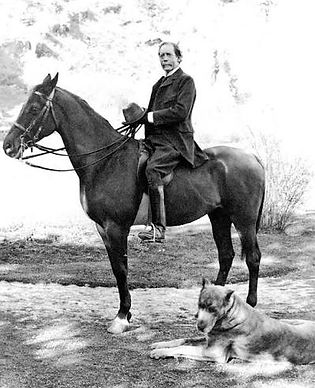
Colorado Springs founded
William Jackson Palmer and the Colorado Springs Company laid out the Fountain Colony/Colorado Springs along the Denver & Rio Grande Railway.

1940s
Camp Carson established
Camp Carson was established during World War II, bringing soldiers, workers, federal spending and major new housing demand to the region.

1970s
Leon Young elected to Colorado Springs City Council
Leon Young was elected to City Council in 1973 and later became a longtime vice mayor and the city's first Black mayor in 1997.

1970s
Colorado Springs Urban Renewal Effort (CURE)
A booklet explaining the Urban Renewal Efforts

1940s
Green Book-era tourist homes serve Black travelers
Black travelers facing discrimination in hotels could stay at local tourist homes, including the Roberts home on East Cucharras. Another listed location was the L.C. Alford house on North Royer.

1950s
Rev. Dr. Milton Proby arrives in Colorado Springs
Milton Proby came to Colorado Springs to pastor St. John's Baptist Church and became a major civil-rights, social-service and civic leader.

1970s
Cotton Club building razed through urban renewal
Fannie Mae Duncan operated the Cotton Club until the building was razed through urban renewal in 1975.

Pre-1870s
Indigenous homelands of the Pikes Peak region
Long before Colorado Springs was founded, the Pikes Peak region was Indigenous land with especially deep Ute connections, alongside histories of Cheyenne, Arapaho and other Indigenous peoples.

1940s–1970s
Fannie Mae Duncan and the Cotton Club
Fannie Mae Duncan operated an intentionally integrated entertainment venue under the slogan 'Everybody Welcome.' The Cotton Club hosted major Black entertainers and served mixed-race patrons.

1960s
Fountain Park community development
A 1966 Gazette article described civic volunteers working with the City to transform former dump land into a park.